


Malignant tumors are characterized by fast progression and poor response to conventional therapies (such as chemo- and radiotherapy). Therefore, immunotherapeutic strategies could be helpful. However, their efficiency could be significantly reduced by the chronic inflammation represented by infiltrating leukocytes and soluble mediators that result in the immunosuppression in tumor microenvironment. Using ret transgenic mouse melanoma model, which mimics clinical situation in human melanoma, we demonstrated increased levels of chronic inflammatory factors and immunosuppressive cells (like myeloid-derived suppressor cells, MDSC) in melanoma lesions that correlated with reduced anti-tumor T cell reactivity and accelerated tumor progression. Inhibitors of MDSC activities were shown to mediate strong anti-tumor effects. In cancer patients, levels of serum inflammatory factors and frequencies of circulating immunosuppressive cells were increased that significantly correlated with a decreased progression free survival. Moreover, decreased MDSC frequency and immunosuppressive pattern correlated with the patients’ response to immunotherapy. We suggest that inhibitors of immunosuppressive tumor microenvironment should be included in combined tumor immunotherapy to increase it efficiency.

Presenter: Viktor Umansky Viktor Umansky has completed his PhD in 1982 at the Institute of Oncology Problems in Kyiv, Ukraine. Currently, he is professor on immunooncology in Heidelberg University (Germany). He worked as a postdoc in Dijon Univercity (France) in 1991-1992 and in German Cancer Research Center (DKFZ, Heidelberg Germany) in 1992-1998. Since 2002, Dr. Umansky is a leader of the group „Melanoma Immunotherapy“ in the Skin Cancer Unit at German Cancer Research Center (DKFZ) and University Medical Center Mannheim. His group is focused on the investigation of immunosuppression mechanisms and development of innovative immunotherapeutic strategies for human malignant melanoma. Dr. Umansky made seminal contributions to the investigation of the role of chronic inflammation and immunosuppression in melanoma microenvironment and the development of novel melanoma immunotherapies. He published 130 papers in the field of immunology and oncology in peer-reviewed journals and serves as a reviewer for various peer-reviewed journals. He was a supervisor of around 20 PhD students, 4 MD students and 8 MSc students. Dr. Umansky gives lectures on basic and tumor immunology to bachelor and master students at the Faculty of biological sciences and Faculty of medicine in Heidelberg University.
Emergence of antibiotic-resistant strains is a threat to public health. General believe is that the drug resistance is acquired during the treatment with antibiotics by horizontal gene transfer or by accumulation of spontaneous mutations. Also it is known that the drug resistance has an associated fitness cost reducing the viability and virulence of resistant strains. In this lecture it will be shown on examples of drug resistance of Mycobacterium tuberculosis and Staphylococcus aureus that the drug resistant phenotype relies on a complex pattern of genetic variations in multiple genes and specific activities of encoded proteins that allows combating the drug resistance by impairing the global genetic context. NGS sequencing of reverted isolates has revealed that the new drug FS-1 developed in Kazakhstan can make resistant strains more sensitive to common antibiotics by compromising this genetic context and aggravating the fitness cost.
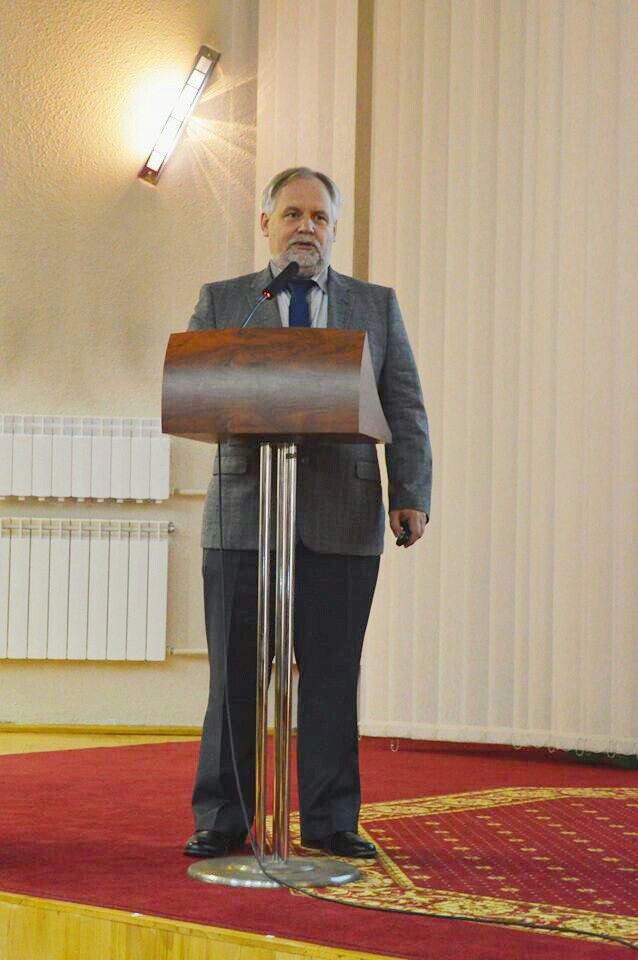
Presenter: Oleg Reva Oleg N. Reva has completed his PhD on microbiology in 1995 in DK Zabolotny Institute of Microbiology and Virology in Kyiv, Ukraine. He did his postdoctoral study on bioinformatics in 2002-2004 in the Medical High School of Hanover, Germany. Currently he is an associated professor on bioinformatics in the Centre for Bioinformatics and Computational Biology at the University of Pretoria, South Africa. Area of his interest is bacterial genomics, genetic barcoding and molecular docking in biotechnology and medicine. He published around 100 papers and book chapters, his H-index is 23. Ten PhD and ten MSc students has graduated under his supervision.
The disturbance of complex interaction between symbiotic aerobic and anaerobic intestinal bacteria is one of the critical mechanisms of inflammatory bowel disease (IBD) pathogenesis. Accordingly recent epidemiological studies, prolonged antibiotic therapy significantly increases the risk of IBD development.The report will present data on the mechanism underlying this phenomenon, given the role of short-chain fatty acids, their receptors and transporters, immunological parameters and redox potential in maintaining of the intestinal barrier; the protocol of the most effective probiotics treatment will be offered for the prevention of long-term consequences of antibiotic therapy.
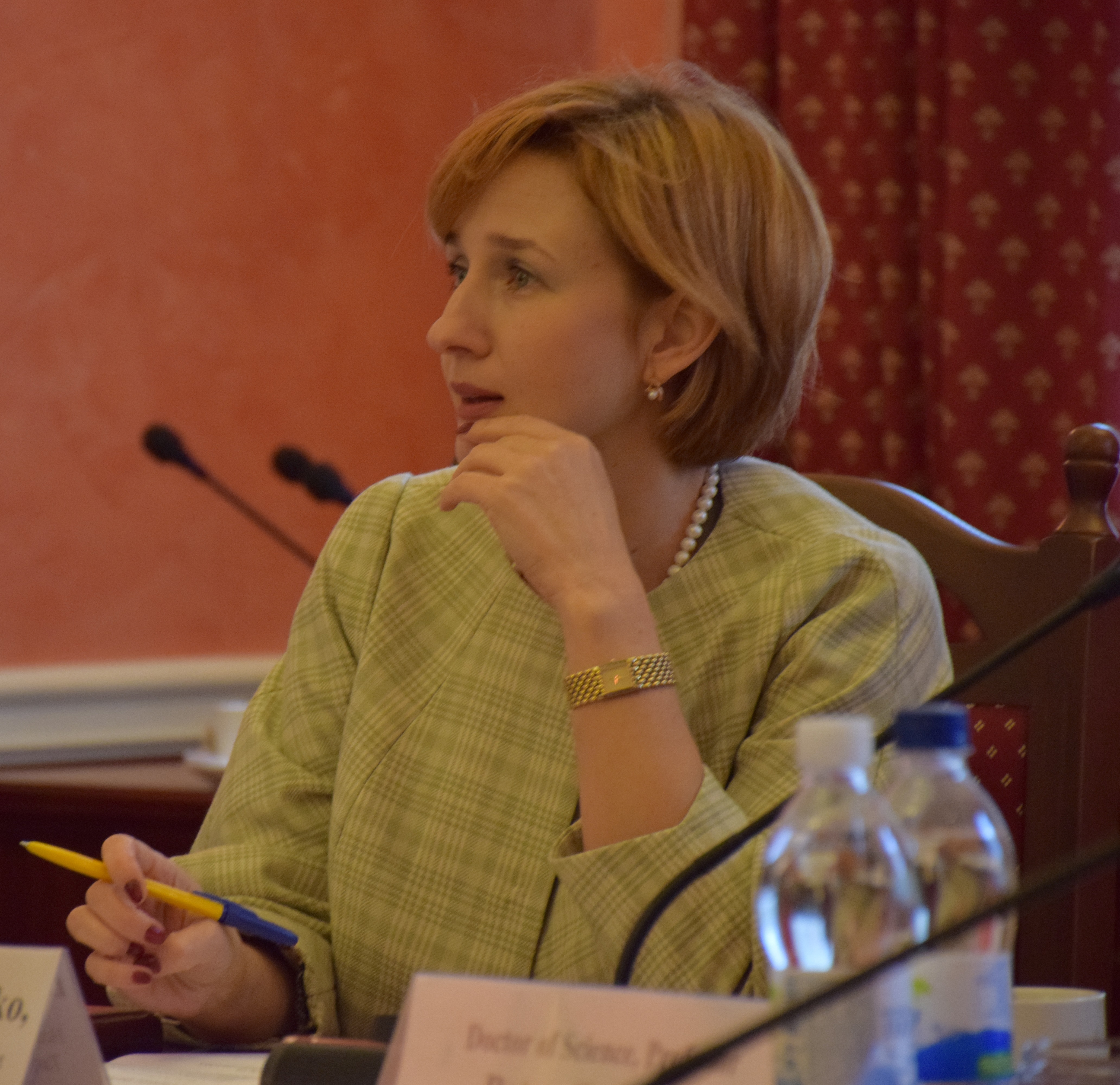
Presenter: Ganna Tolstanova Ganna Tolstanova has completed her PhD in Human & Animal Physiology (2003) and Doctor of Science degree in Biochemistry (2011) at Taras Shevchenko National University of Kyiv, Kyiv, Ukraine. From 2006 to 2013, has worked as Visiting Research Fellow in VA Medical Center, Long Beach; the David Geffen School of Medicine, UCLA, Los Angeles, CA, USA. Currently she is Chief of Research Department, Taras Shevchenko National University of Kyiv, Kyiv, Ukraine. She is the ordinary member of Physiological Society (www.physoc.org) and member of Editorial boards of peer-reviewed journals: Frontiers in Pharmacology and Ukrainian Biochemical Journal. The main field of her research group is the role of gut barrier integrity and microbiota metabolic activity in the pathogenesis of different diseases, e.g. Parkinson’s disease, epilepsy, pielonephritis. She published more than 70 original papers and 4 book chapters, H-index 9.
Immune system plays an important role in male infertility. Increasingly, "unexplained male infertility" is considered as a part of "immunoinfertility". Using clinical material we examined numerous indices of local (in semen) and systemic (in peripheral blood) immune reactivity in infertile men with cryptorchidism, systemic inflammatory diseases of the connective tissue (SIDCT), varicocoele, somatic diseases on the background of chronic inflammatory processes, idiopatic infertility and in somatically healthy men, whose wives had early miscarriages. We revealed characteristic features of immune reactivity disorders that were associated with sperm abnormalities and infertility development in men with different concomitant illnesses.
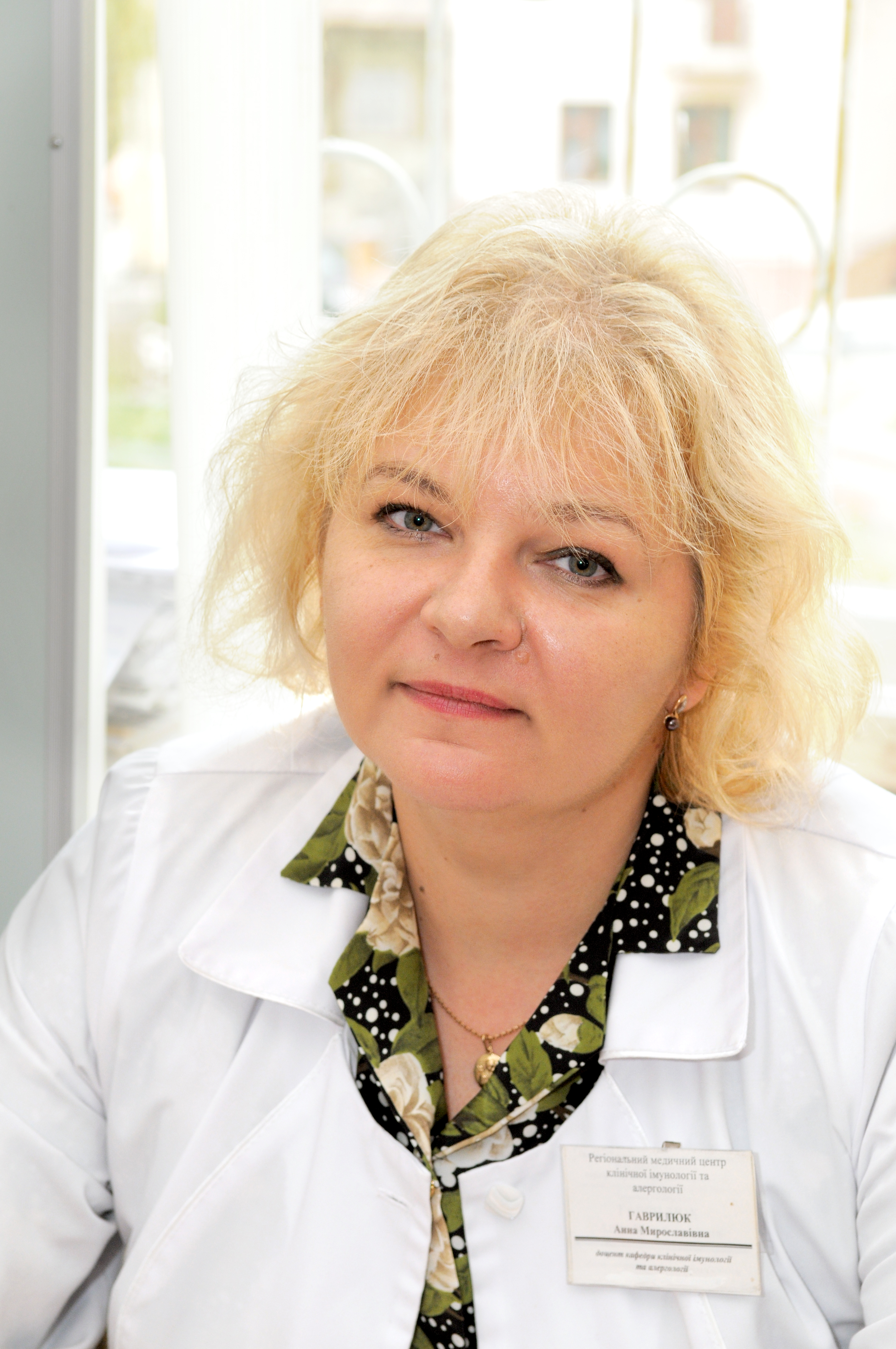
Presenter: Anna Havrylyuk Anna M. Havrylyuk has completed his PhD about the functional and metabolic activity of T-lymphocytes by chronic liver diseases in the Medical Institute named Bogomolec in Kyiv, Ukraine (1990). She began to study immunology of reproduction in 2000, more than once has trainings in Ukraine, Poland, Germany. She made the promotion of habilitation work about mechanisms of formation of immune-dependent infertility in individuals of male gender with organ-specific and systemic autoimmune diseases in University named Taras Tshewshenko in Kyiv, Ukraine (2017). At the present time she work as Docent of Departament of Clinical Immunology and Allergology in Medical University named Danylo Halytskyy (Lviv, Ukraine). She published 140 papers, 4 chapters in scientific book snd 6 chapters in textbook for students and physicians. H-index - 4.
Studies in the field of molecular tumor immunology and the possibilities of the immunological response modulation have made significant progress. According to modern ideas, a series of sequential events, called "cancer-immunity cycle" should occur for the development of an antitumor immune response leading to the destruction of tumor cells. At the same time, the place of immunotherapy in the treatment of malignant neoplasms is not defined definitively. One of the hypotheses that explain this fact is the notion of the significant role of the immune system in the course of malignant diseases and its possible insolvency in certain stages of the tumor progression. The breakthrough in the cancer immunotherapy, which took place in recent years, is associated with an understanding of the mechanisms of interaction between the tumor and the immune system, features of T-cell regulation. As a result, a large number of studies have appeared that have outlined ways to change or restore the immune response to a tumor. Currently, such approaches to tumor immunotherapy are being used or under development: antitumor vaccines, including based on dendritic cells, monoclonal antibody, cytokines, checkpoint inhibitors, activated lymphocytes, genetically modified T-lymphocytes (CAR- T).

Presenter: Natalia Khranovska Natalia M. Khranovska is the Head of Research Laboratory of Experimental Oncology of the National Cancer Institute of Ukraine. She received her PhD in 2001 and Doctor of Biological Science in 2017. She attended short-term fellowship programme on the topic “Cancer Immunology and Immunotherapy” at the Ulm University, Ulm, Germany in 2006. Area of her interest is tumor immunology and immunotherapy, molecular basis of cancer, genomics and epigenomics, translational medicine, pathology, molecular-genetic and cytogenetic diagnostics in oncology, biomarkers for personalized cancer therapy. She published over 300 publications cited over 100 times, H-index 7. She had supervised five PhD students in Oncology and Immunology.
Viruses are essential members of the human microbiome. Many of the viruses comprising the human virome have been identified as bacteriophage. This was only revealed in recent metagenomic studies. The influence of the presence of phages in humans has yet to be evaluated; but as in marine environments, a clear role in the regulation of bacterial populations could be envisaged, that might have an impact on human health. Moreover, phages are excellent vehicles of genetic transfer, and they contribute to the evolution of bacterial cells in the human body by spreading and acquiring DNA horizontally. The abundance of phages in the human body does not pass unnoticed and the immune system reacts to them, although it is not clear to what extent. The close association of phage with their cellular hosts suggests their communities may change in response to shifts in bacterial community membership.

Presenter: Irina Budzanivska Budzanivska Irina Gennadivna, born in 1968, graduated from the Department of Virology of the Kyiv National Taras Shevchenko University in 1990. In 1998 she defended his Ph.D. Thesis Doctor of Biological Sciences since 2013 In 2015, she was awarded the title of Professor of the Department of Virology. The sphere of scientific interests is concerned with the problem of epidemiology and the evolution of viruses, studying the spread of plant viruses in various ecological regions of Ukraine, the study of complex antiviral activity of complex compounds and molecular diagnosis of viral infections. She is the author of about 100 papers (14 articles in the Scopus database, h-index-3), of which 55 are in international rating editions, 18 are teaching aids, 2 monographs and 2 patents for the invention. Under her leadership 2 candidate dissertations are defended, as well as supervising the postgraduate students' and magister scientific work.
The present survey focuses on a comparative study of the effect of perioperative transfusion of autologous cord blood and donor blood components on the state of the immune system of newborns with critical congenital heart defects were operated. Our study shows that massive blood transfusion of the donor blood leads to organ dysfunctions and disorders of immune system. It has been shown that anti-Hsp60 antibodies from the donor blood get into the body of the child are able to circulate in the serum for a long time and intensify inflammatory reactions accompanied by an imbalanced cytokine response to the operation, development of postoperative complications and prolonged hospital stay. It has been shown that anti-Hsp60 antibodies was circulating in the serum were able to contact with Hsp60 protein on the surface of stressed cells, leading to damage of tissue. The use of autologous umbilical blood during an open surgery on the heart we preserve the resources of its own organism, without violating the functions of the immune system.

Presenter: Yanina Tkachenko Tkachenko Yanina Victorovna has completed her PhD in 2014 from the Taras Shevchenko National University of Kyiv, Ukraine. She is working of scientist in Department of bio tissue and reconstructive surgery, Ukrainian Children’s Cardiac Center (Kyiv). Area of her interest is medicine, immunology, cellular and molecular biology, biotechnology. She published 40 scientific papers, including patents for the invention.
Personalized nutrition, due to its direct effects on the modulation and maintenance of the human microbiome, is the key instrument for the early diagnostic and prevention of “food-relevant” diseases and their comorbidities. NCD prevention and treatment can be effectively managed when nutritional recommendations are applied on an age-group-specific and patient-centered basis. The new trend of “functional food” today can be defined as personalized, safe and tasty products, aimed at meeting individual requirements in nutrition while simultaneously maintaining microbial balance, variety and functions. Furthermore, pharmabiotics such as pre-, pro and synbiotics and their metabolites should be also individually prescribed based on the different nosology as well as on the micro-immuno-biome characteristics of individuals. The combination of (i) in vitro-based experiments; (ii) studies in germ-free mice and in transgenic mouse models of chronic and acute inflammation; (iii) clinical data of randomized trials and (iv) limited diet / nutrition studies have provided a number of very promising practical solutions for enabling the application of personalized nutrition. However, the practical use of bioinformatics to create algorithm(s) for the calculation of personalized nutrition is proving highly challenging due to the huge variety and diversity of existent data in this field. We are currently faced with the absence of unified approaches for the harmonization, evaluation, verification and proper exploitation of data with the aim of practical implementation in preventive, predictive and personalized medicine. Our aim is exploitation of newly obtained molecular mechanisms and epigenetic tools in personalised medicine; we have been focused on providing evidence based data to modulate host immune response locally by reconstitution of composition of commensal microbes / individual microbiome and in such a way to develop and implement personalised diets and/or pharmabiotics for patient-centred prevention of the variety of non-communicable diseases with inflammation as a common trigger factor of initiation or infections caused by multi resistant strains of microbes.
Presenter: Nadiya Boyko Nadiya Boyko has defended her PhD in 1994 and doctor degree in 2010. From 2000 until 2005 she occupied sabbatical Research Fellow position in Laboratory of Mucosal Immunology in University of Pennsylvania, USA. She is permanently working as professor at the Uzhhorod National University, and occupied following positions: Director of the R&D Centre of Molecular Microbiology and Mucosal Immunology; Vice-President and CSO of CLS in Slovakia and co-founder and CEO of Ediens LLC. Research interests are: P4 medicine, personalised nutrition, pharmabiotics, human microbiome, noncommunicable diseases; food safety, knowledge transfer. Co-establisher of Ukrainian and Slovak Technology Platforms “Agro-Food”; experienced stakeholder manager with links to industry, academia and researchers in Europe. She has published more than 250 papers, including chapter in Mucosal immunology Elsevier press, h-index is 10. Last international projects: BaSeFood, JSO-ERA, ODiN (FP7), CAPINFOOD (CEE), FoodWARD (Erasmus+), BacFoodNet (COST), SKIN (Horizon 2020). Member: SMI, SOMED, ASA, SMU; Editor of SOMED, Microbial Journal and European Journal of Nutrition, and Guest Editor of Frontiers Immunology. Relevant links: "https://www.linkedin.com/in/nadiya-boyko-principal-investigator-09533326?trk=nav_responsive_tab_profile_pic" ; "http://www.uzhnu.edu.ua/en/cat/deps-ndi_molecular" ; "http://cassovialifesciences.eu/" ; "https://www.ediens.info/" ; Contacts: +380506276445, Narodna St., 1, Uzhhorod, 88000, Ukraine E-mail: nadiya.boyko@gmail.com
We offer immunoregulation theory that explained links between normal immune parameters and risk of unfavorable condition development. Our theory finds experimental support in these results. Immune accentuations create unfavorable background for embryo implantation and pregnancy development. Wide introduction of pre-implantation embryo diagnostics returns us back for studying significance of endometrial receptivity and local immune environment for successful implantation. We worked out the original methods for lymphocyte isolation from endometrium. We study phenotype of isolated endometrial (EL) and peripheral blood lymphocytes (PB) from healthy women (egg donors ED) on day of egg retrieval OV (n=24) and implantation window (IW) P6-P8 (n=33). IW samples were taken in stimulation (SC) (n=24) and post-stimulation cycle (PostS) (n=9). Similarly, we studied 13 samples on SC from patients with RIF (at least 1 failure on PGD tested embryo). Lymphocyte phenotype was analyzed by flow cytometry Donors groups formed conditionally “normal” EL subset levels for ovulation and IW. RIF endometrium consist same %NK but NK and T cell express more HLADR than ED. More than half of RIF have this levels out of “normal”. Significant part of RIF patients have “abnormal” expression levels of CD8, CD16, CD56 and CD56density on endometrial NK. Abnormal EL phenotypes in RIF patients generally weren’t reflected in PB. However, in PB from RIF patients significantly more often elevated levels of CD3CD158, CD3CD4HLADR, and NK lymphocytes were detected. Endometrial lymphocyte phenotypes reflect receptivity as well as hormonal environment. Patient with RIF on PGD tested embryo typically have non-receptive endometrium that characterized by accentuated levels in lymphocyte subsets. Result confirmed the Theory of immune accentuations and explained local mechanism of immune accentuation’s physiologic realization.

Presenter: Boris V. Dons’koi He has completed his PhD at the age of 31 years from institute of Pediatrics, Obstetrics and Gynecology, National Academy of Medical Sciences of Ukraine, Kiev, Ukraine. He presently is a Senior Research Fellow in laboratory of immunology of institute of Pediatrics, Obstetrics and Gynecology, National Academy of Medical Sciences of Ukraine. Research interests: immunology of reproduction, immunology methods and immunodiagnostic models. He has published more than 30 papers in reputed journals and more than 80 abstracts in scientific congresses.
Today, the classical theory of immunological isolation of the brain has been replaced by the idea of the presence of an immune system in the brain that is able to function autonomously or together with the reactions of systemic immunity. The autonomous immune system of the brain performs at least 3 different functions: anti-infection protection and support of antigenic brain homeostasis, neurodegeneration and demyelination, neuroregeneration and repair of damaged cells and brain tissues. These functions are cooperatively performed by microglial cells, neurons and astrocytes, which express TLR receptors, C-200 molecules, Fas-ligands, adenosine, chemokines and cytokines. In physiological and pathological conditions, there is a kind of immunological conversation between these cells using immunoregulatory factors. A deep knowledge of the mechanisms of such a conversation gives hope for a possible correction of these reactions in future.
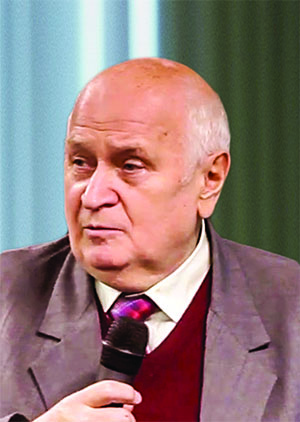
Presenter: Nikolai Lisyaniy Lisyaniy Nikolai Ivanovich is a member of Ukrainian National Academy of Medical Sciences specializing in immunology, a Doctor in Medical Sciences, a professor, Honored in Science and Technology, a holder of Bogomolza Prize, an immunologist of the highest category, the health care specialist, the head of laboratory-experimental sector of Neurosurgery Institute of Ukraine, head of neuro-immunology Department of Neurosurgery Institute of Ukraine. Mr. Lisyaniy is a leading scientist in immunology, known as the founder of a new area in immunology called “neuroimmunology”. Major areas of activities: the interaction of neuro and immune systems in normal and pathological conditions, autoimmune pathology and its diagnostics and treatment, immune-deficit and its corrections, radiation impact on neuro and immune systems, neurooncology and immune therapy of brain cancer, immunology and immune therapy of stem cells. He described the separate form of deficit of the immune system- neurogenic immunedeficit- and proposed ways to cure it. During experimental and clinical research, he proved the existence of local immune system of brain and its connection to the immune system of the body. He developed and implemented in clinical and laboratory practice a variety of diagnostics and treatment methods, that are protected by 31 copyrights and patents. Mr. Lisyaniy is an author of 500 scientific works, where 12 of them are monographs. He prepared 3 doctors of science and 20 candidates of science (medicine and philosophy doctors). Major works: “Traumatic brain injury and immunology reaction of the body” (1986), “Immune system of the brain” (1991), “Immunology and immune therapy of malignant tumors of brain” (2011). « Immunology stem cells of the brain» (2017). Email: nimun.neuro@gmail.com
Metabolic activity of exoelectrogenic microorganisms in bioelecrochemical systems, in particular, in microbial fuel cells (MFC), provides electric current generation, which is combined with anaerobic organic matter oxidation. In MFC oxidation of organic compounds occurs with participation of microorganisms in anode chamber under anaerobic conditions where anode is used as a sole electron acceptor. Anode and cathode chambers are separated by proton selective membrane, which causes the transfer of protons and prevents oxygen access. Cell exoelectogenesis in anode chamber causes electric current generation. MFC are perspective for waste water treatment from organic contamination. For bioremediation of contaminated territories it is importantly to use strains of bacteria, which are isolated from technogenically transformed environments and therefore are resistant to high concentrations of hydrogen sulfide, sulfates, heavy metal salts etc. Strains-exoelectogens were isolated from Yavoriv Lake, which was created on the territory of the sulfur career, and infiltrates of Lviv solid waste landfill (Lviv region, Ukraine).
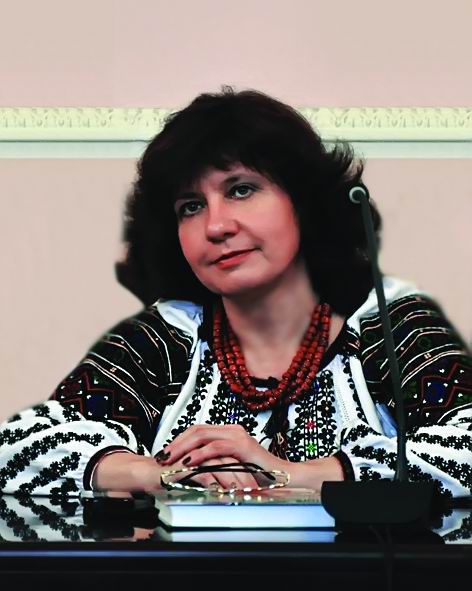
Presenter: Svitlana Hnatush Svitlana Hnatush defended PhD thesis "Formation of Ethanol by Lactose-Utilizing Yeasts and its Role in the Regulation of Carbohydrates Metabolism Enzymes" in 1996 in D. K. Zabolotnyi Institute of Microbiology and Virology of NAS Ukraine. She is working at Ivan Franko National University of Lviv, having undergone a way from the engineer of the Department of Microbiology to the Dean of the Faculty of Biology. From 2014 she is a head of the Department of Microbiology. In 2015 acquired professor's academic degree. Co-author of 3 textbooks, 4 manuals, 2 monographs, 8 patents, 125 articles. Scientific interests – physiological and biochemical properties of microorganisms that support sulfur cycle in nature, an influence of heavy metal compounds on bacterial cells, microboccenoses of rock dumps of coal mines, bacterial exoelectrogenesis. Supervisor of four PhD thesis, which are defended on the Specialized Academic Council on Doctoral Thesis, and 5 PhD students, which continue to fulfill their works.
Earlier in our studies (2006-2010), it was shown that transplantation of cultured bone marrow-derived multipotent mesenchymal stromal cells (MSCs) for healing of long term fracture non-union and avascular osteonecrosis of the femoral head promotes the reparative osteogenesis processes in situ. In addition, bone marrow-derived MSCs committed into the osteogenic direction are secreted in culture medium the multiple cytokines such as IL-1β, IL-2, IL-4, IL-6, IL-8 and TNFα, with significantly increased production of the osteoactive IL-6 and IL-8. At present, the immunoregulatory properties of MSCs have been reflected in a mass of experimental and clinical studies dedicated to the functional characteristics of cultured MSCs ex vivo and the fate of transplanted cells within the organism. Thus, it is known that cultured MSCs interact directly with the immune system of the recipient organism and are an important component of the reactions of the innate immune response. The innate immunity acts as a key partner in interaction with MSCs in the aspect of tissue repair and it is a mediator of some MSCs trophic functions. Also, MSCs are able to directly recognize the pathogen in the microenvironment and generate the antimicrobial response at the local and systemic levels, which leads to a significant reduction in bacterial load and subsequent animal survival in experimental sepsis models. MSCs promote wound healing through the recruitment of monocytes and macrophages with their further induced polarization from M1 to M2 macrophages. MSCs, monocytes and macrophages form together effective feedback loop mechanisms to prevent an excessive inflammatory response in the wound and its resolution towards the realization of remodeling and reparative regeneration processes within affected tissues.
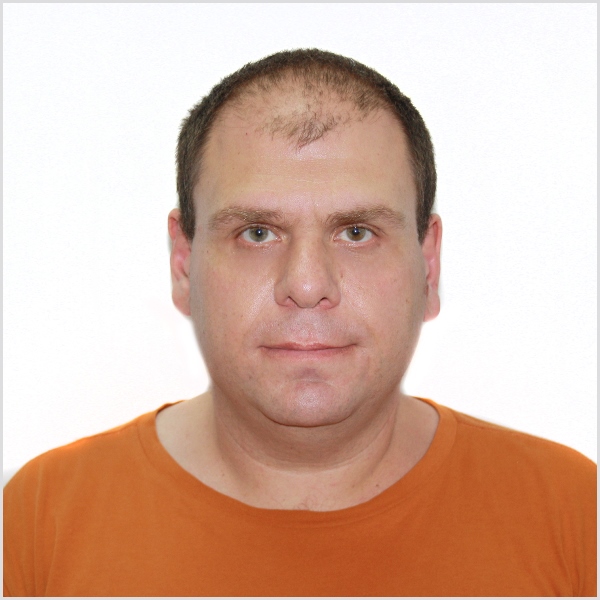
Presenter: Dimitri Zubov Zubov Dimitri, PhD (Immunology), Senior Researcher (Biotechnology), Leading Researcher in Cytogenetics laboratory of State Institute of Genetic and Regenerative Medicine NAMSU; Head of Biotechnology laboratory ilaya.regeneration, ilaya® Medical Company. In 2009 he defended his thesis on the immune properties of human bone marrow-derived cultured multipotent mesenchymal stromal cells (MSCs) in Taras Shevchenko Kyiv National University. Scientific interests and studies area: regenerative medicine, cell therapy, tissue engineering, biomedicinal products based on human cells, bone and cartilage biology, in vitro adipogenesis. Author of 19 declarative patents of Ukraine, more than 120 scientific publications, 3 chapters in scientific monographs; h-index 3.
The negative consequences of biodestruction are significant economic losses and the social aspect of harm - the loss of historical and cultural monuments. Preservation of the monument of the UNESCO World Heritage St. Sophia Cathedral Museum, XI century, "Sofia Kievskaya" National reserve is an actual task today. The purpose of this work was to ascertain the role of microorganisms as a component in damaging the unique wall painting in St. Sophia Cathedral Museum, identification of the main causes that contribute to the occurrence and development of these lesions. It was established that damage to wall paintings in the St. Sophia Cathedral is due to the complex of microorganisms, the main component of which are xerophilic microscopic fungi of the genera Emericella, Eurotium, and Aspergillus. The main causes of the occurrence and development biodeterioration of wall painting in St. Sophia Cathedral determined. The stability level of test cultures of fungi to the influence of investigated biocides in various concentrations was established. The recommendations for improvement of situation were given based on results of work obtained.
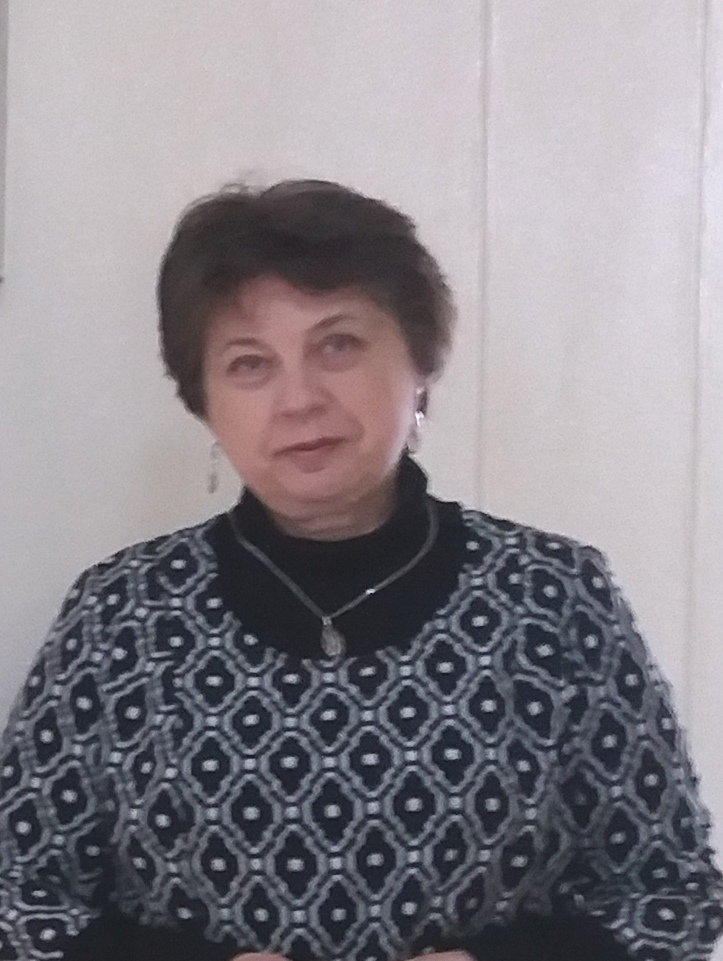
Presenter: Tetiana Kondratiuk Kondratiuk Tetiana Oleksiivna graduated from the Department of Microbiology of the T.G. Shevchenko Kiev State University in 1982. In 2002 she defended her Ph.D. thesis "Microorganisms as Damaging Factors of Easter Paintings of the Museum Fund of Ukraine" in the field of microbiology. She is researcher at Taras Shevchenko National University of Kyiv since 2004. The elucidation of the culturally-morphological and physiological characteristics of dark-pigmented microscopic fungi, in particular, yeast-like, which synthesize melanin; definition of adaptive properties of microorganisms of extreme locations; studying the problems of damage to a variety of products and materials, including historical and cultural monuments, microscopic mushrooms are the main spheres of scientific interests of Senior Researcher Kondratiuk now. A collection of cultures of microscopic fungus-destructors and Antarctic microorganisms promising for use in biotechnology, medicine and nature protection industries was created in the "Institute of Biology and Medicine" SEC with the direct participation of Kondratiuk T.O. Totally she has 127 scientific works published.
Lactic acid bacteria (LAB) play an important role in the nature and have a great practical importance in human life. Traditional fermented foods, produced by spontaneous fermentation of milk and vegetables raw materials, are an inexhaustible source of biologically active strains with beneficial properties, that allow them to be used in the food industry and medicine. In the samples of fermented products investigated by us, the frequency of isolation of different LAB genera strains depended on the type of product, the source of milk, and the type of vegetable raw materials. Correlation of a number of physiological, biochemical and chemotaxonomic features of LAB strains with a source of isolation was established, which significantly complicates phenotypic identification. Features of acid-producing and antagonistic activities of LAB strains depending on the taxonomic position and source of isolation was characterized. Among the samples of dairy products studied, the frequency isolation of enterococci was 60% of the total number of LAB and this causes some concern. An analysis of the antibiotic resistance of enterococci strains showed that resistance to benzylpenicillin, vancomycin, norfloxacin, rifampicin, doxycycline, and gatifloxacin correlates as with species and with source of isolation. Thus, artisanal fermented products are a source of biologically active LAB strains, but at the same time, dairy products can serve as a reservoir of virulent, enterococci strains with resistance to multiple antibiotics that are potentially dangerous to human health, which requires increased attention to this problem.

Presenter: Inna Garmasheva Inna L. Garmasheva defended her Ph.D. thesis on the topic "Taxonomic position and biological activity of enterococci" in 2009 at the Zabolotny Institute of Microbiology and Virology National Academy of Sciences of Ukraine in Kyiv. At present, she works as a senior researcher of the Department of physiology of industrial microorganisms at the Zabolotny Institute of Microbiology and Virology National Academy of Sciences. Area of research - the ecology of lactic acid bacteria, identification with the use of microbiological and molecular genetic methods, biological properties and mechanisms of probiotic action of lactic acid bacteria, evaluation of food quality by microbiological indicators. She is the author of more than 30 scientific publications. H-index - 4.
MicrobImConf 2018 ©

 УКР